
Eleocharis acicularis
Needle Spike-rush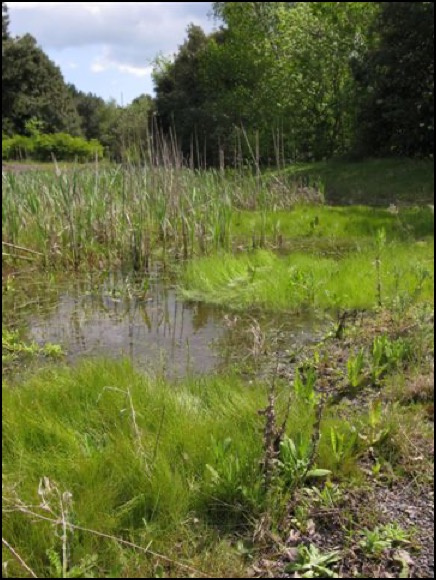
Flowmead Country Park, Kent, May (Sue Buckingham)
Overview
➢ a very slight and slender plant with thread-like stems
➢ patch-forming
➢ often shy-flowering
➢ spikelets tiny, short, and few-flowered
➢ lowest glume encloses base of spikelet, and a quarter to a half as long as spikelet
➢ stigma 3-forked (as in multicaulis and parvula; contrast uniglumis and larger species, 2-forked)
➢ ripe nut has horizontal and vertical ridges, unique in the genus; style-base tiny
➢ grows in shallow water, or exposed, on silt/sand in +/- still water, often submerged, mainly lowland (contrast parvula: very local, estuary mud only)
Growth
➢ makes open or sometimes dense patches
➢ can make extensive submerged sheets in sheltered stretches of lowland rivers, but will only flower in dry seasons when exposed
Stems
➢ up to 15 cm but often much shorter
➢ only to 0.3 mm wide, narrower than the squatter plant parvula
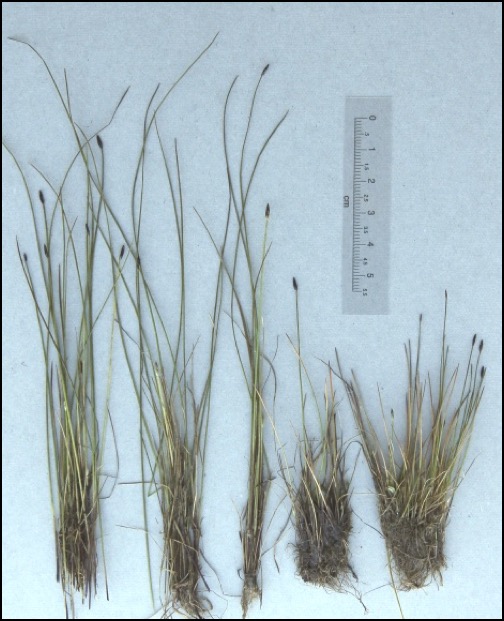
Kent, May (specimens from Sue Buckingham)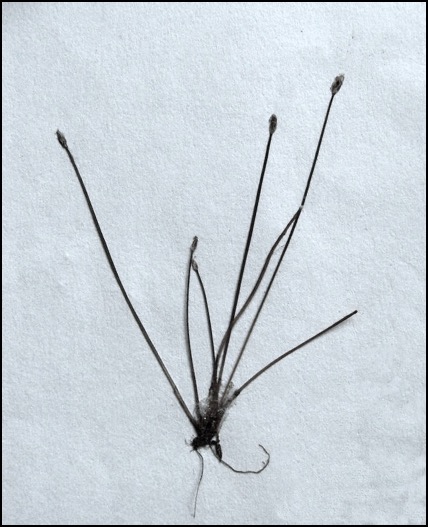
Dorset, early September (photo Robin Walls; herb. specimen)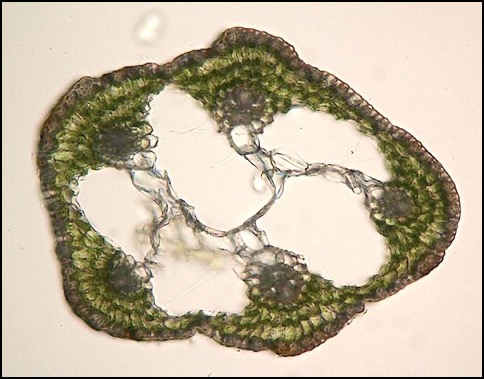
stem section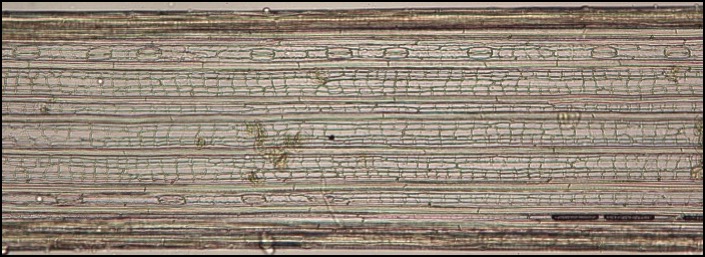
epidermal peel, showing two files of stomata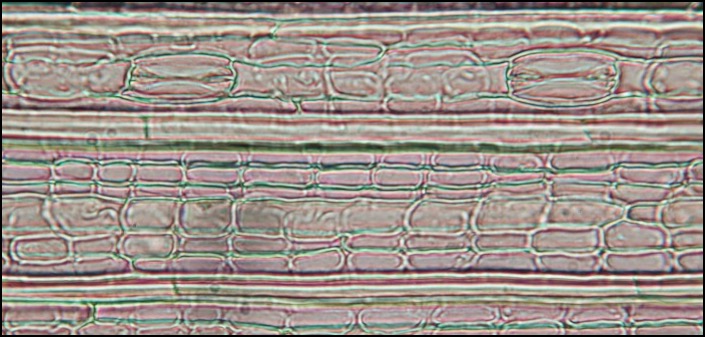
epidermal peel (closer); two stomata
Spikelets
➢ short, few-flowered
➢ lowest glume about quarter to half as long as the spikelet, and encloses its base
➢ glumes darker and richer brown than in parvula
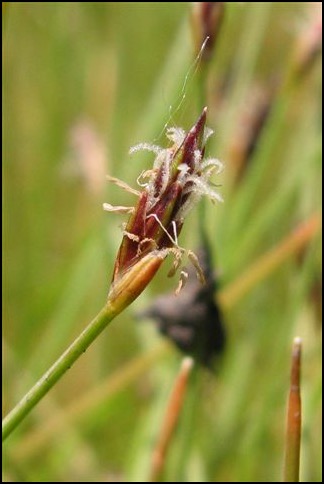
Kent, May (Sue Buckingham)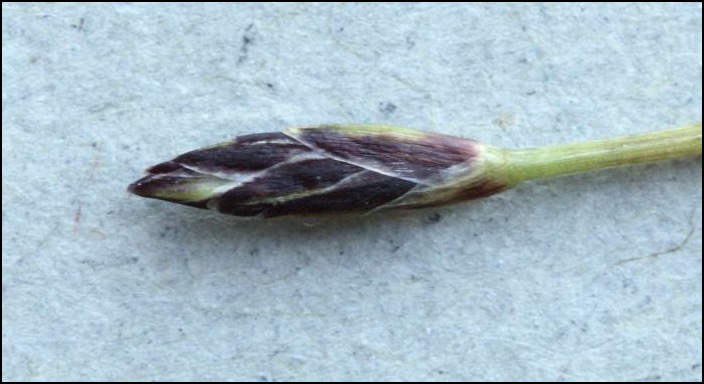
Kent, May (specimen from Sue Buckingham)
Flowers
➢ stigma 3-forked
➢ perianth bristles often none, short if present
Nuts
➢ style-base (stylopodium) is tiny; not swollen
➢ style-base with tiny constriction
Habitat
➢ grows in shallow water, or exposed, on silt/sand in +/- still water, often submerged, mainly lowland (contrast parvula: very local, estuary mud only)
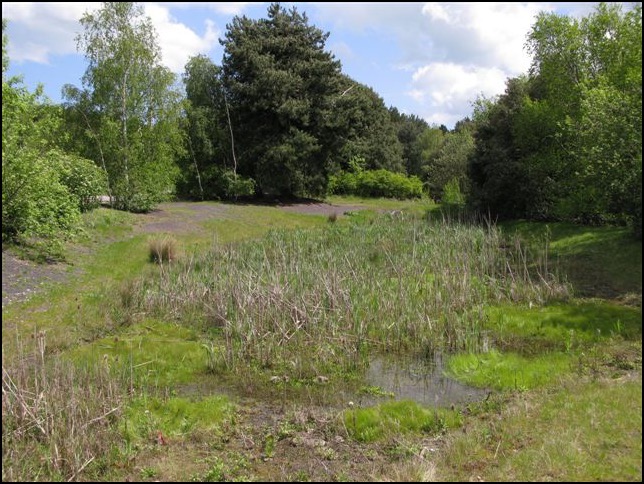
Spreading green carpets, Flowmead Country Park, Kent, May (Sue Buckingham)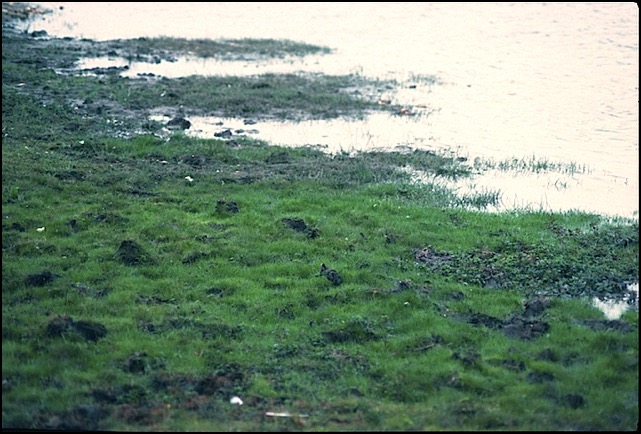
With Pilularia, Hatchet Pond, Hampshire, August (Roger Smith)
Frequency & range
➢ scattered throughout. See ⇒distribution map.
Links to the other Eleocharis spike-rush pages (also accessible from the sidebar)
Species pages
Separation of similar pairs
Other information